

Onero Research
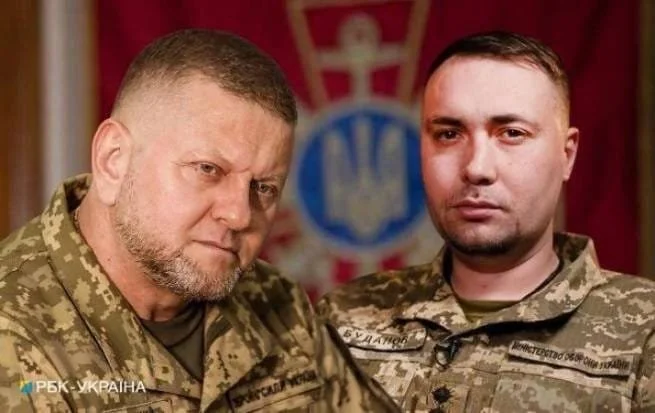
The Generals Reshaping Ukraine's Politics
For the first time in its modern history, Ukraine's presidential candidates are generals, not politicians. What that means for the nation’s democratic future is a question Ukrainians will need to confront.

What I Learned About Taboo by Teaching It in a Culture that Isn’t Mine
When I reflect back on this trip, I keep coming back to the classroom. Not because it solved anything, but because it modeled something I hadn't quite known how to picture before.
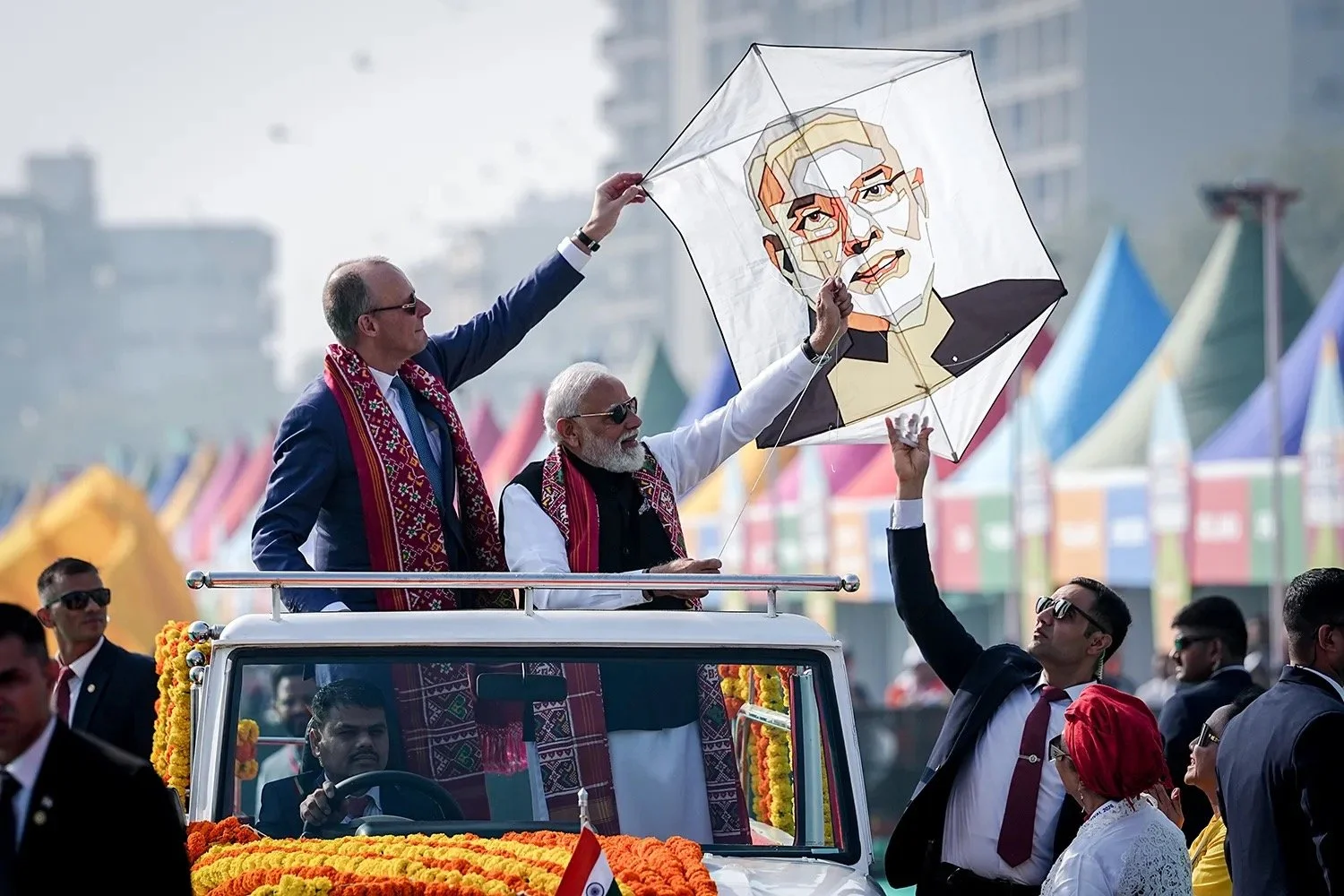
India’s Rise as a Global Power: Strategic Diplomacy in a Multipolar World
India’s rise reflects not only its national ambitions but also a broader transformation in the global order—one defined by the decline of unipolar dominance, the emergence of multiple centers of power, and the increasing importance of diverse voices in shaping global governance.
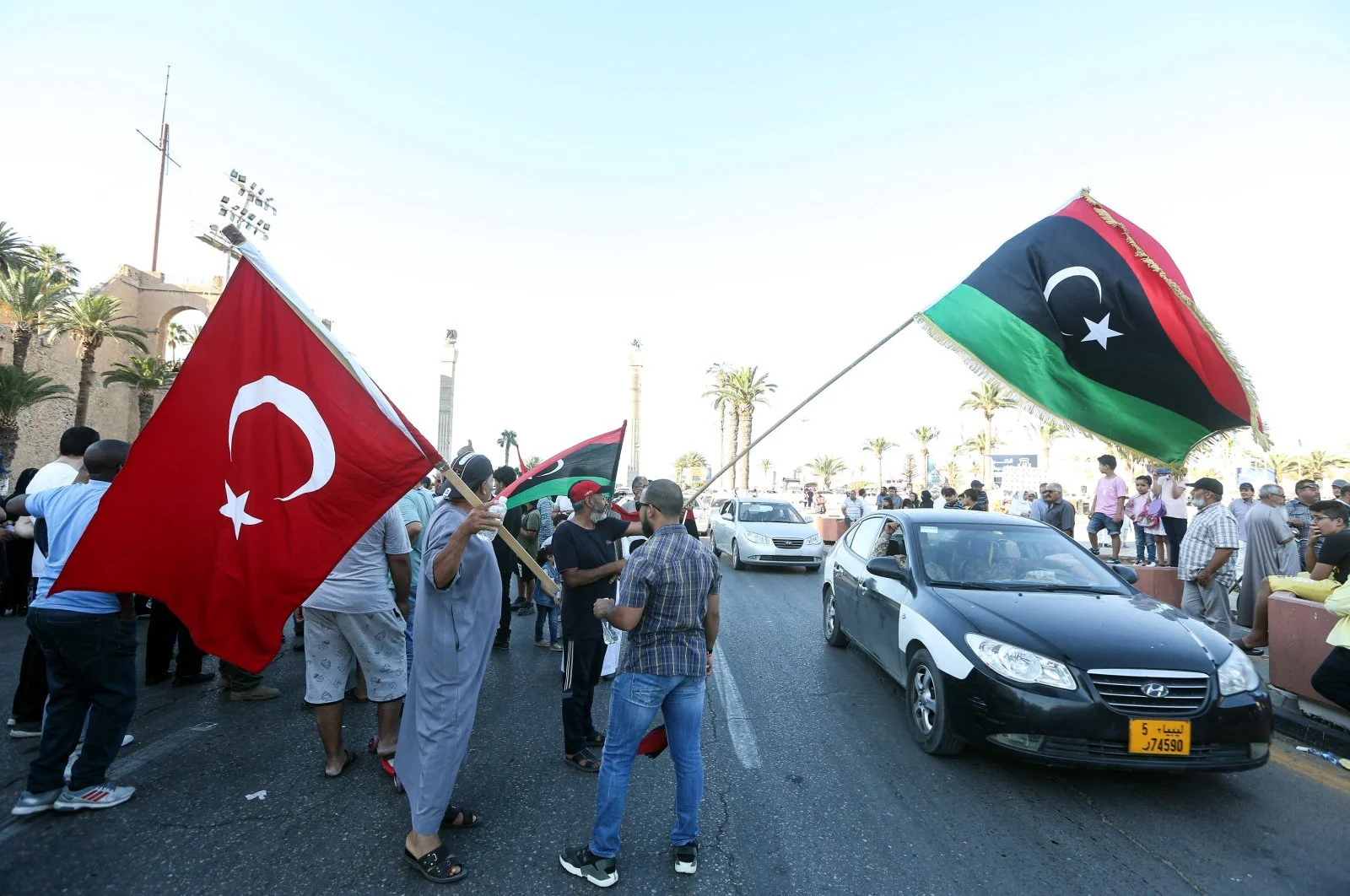
What is Türkiye Doing in Libya: A Case Study
Türkiye intervened in Libya to protect strategic interests, support the Tripoli government, counter rival powers, and advance maritime claims in the Eastern Mediterranean. Through military, diplomatic, and economic engagement, Ankara transformed Libya into a key regional partner and influential strategic asset.
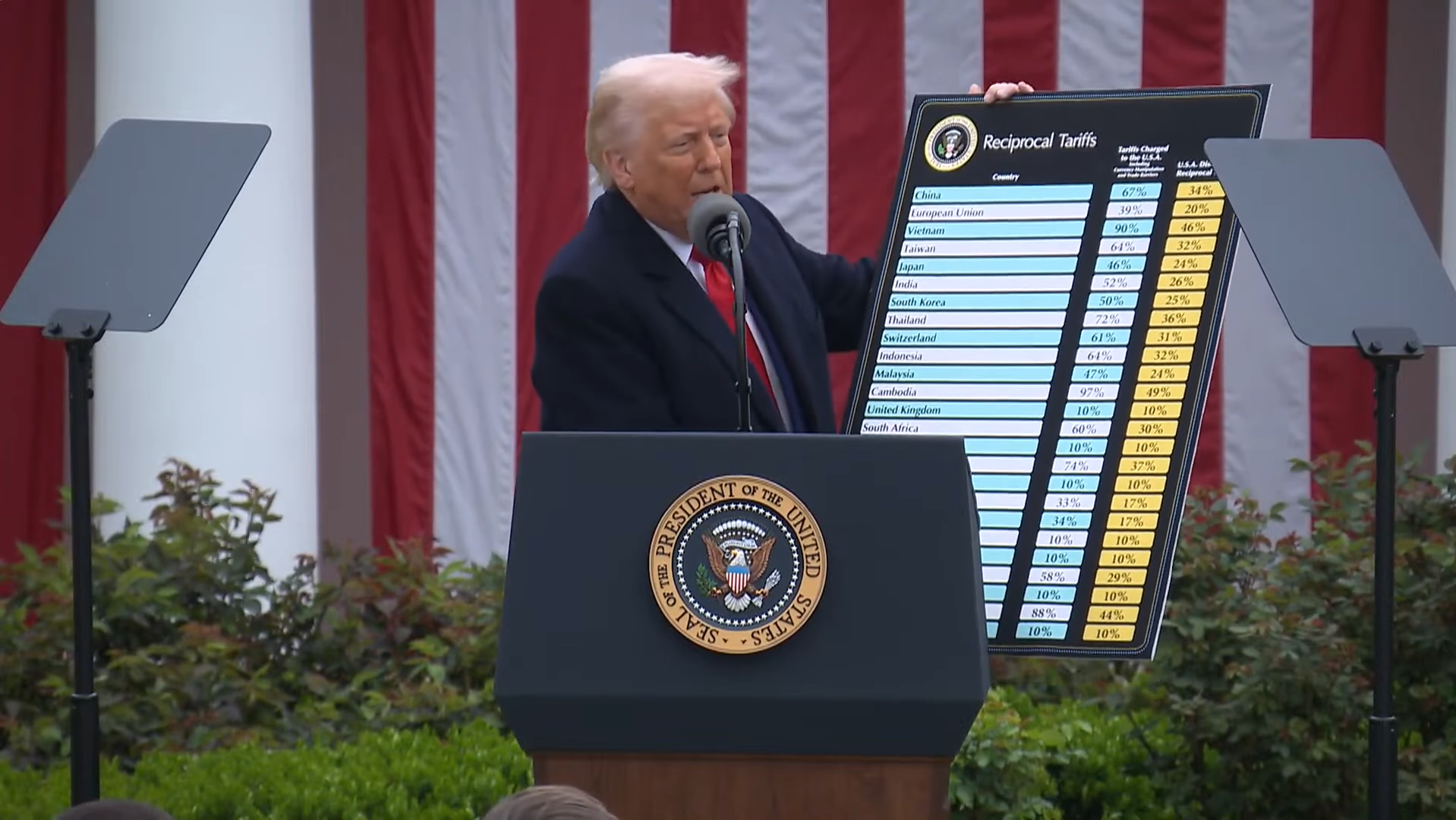
How US Tariffs Fundamentally Altered the EU’s Foreign Policy: Bilateral Negotiations, Retaliatory Measures, and Trade Diversification
US President Donald Trump’s second-term tariffs transformed EU foreign policy by weakening trust in Washington, prompting Brussels to negotiate defensively, prepare retaliatory measures, and accelerate trade diversification with Mexico, Mercosur, ASEAN, and India to strengthen economic security.
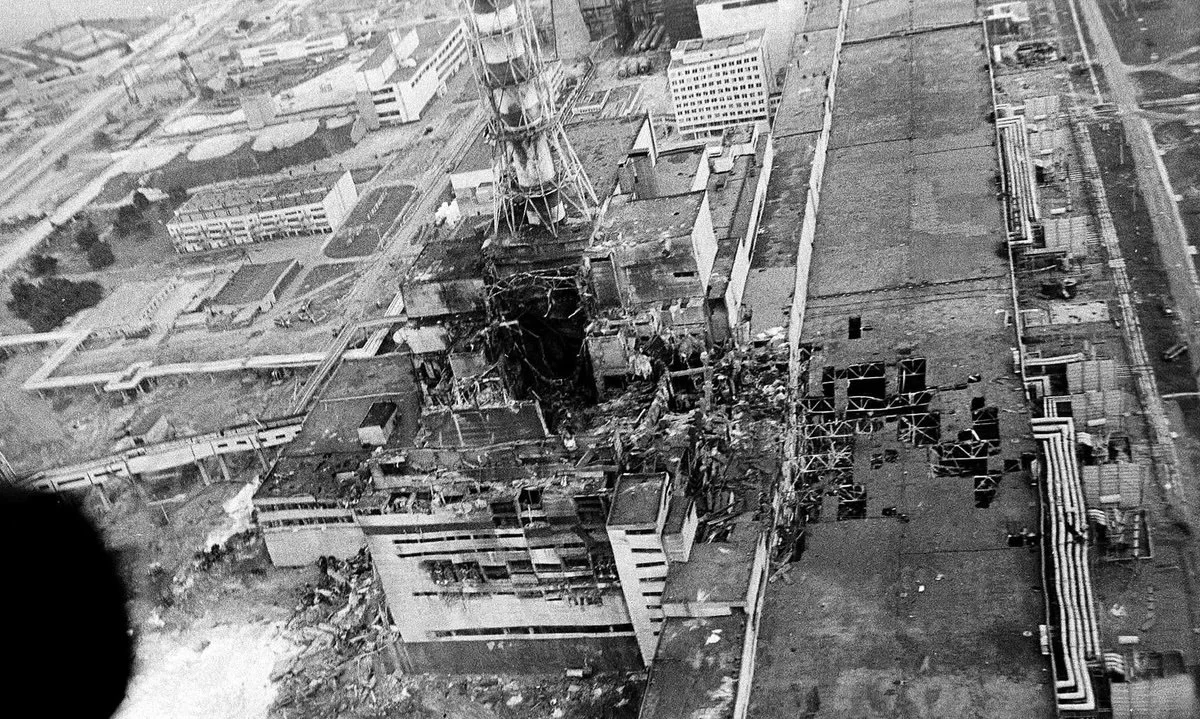
40 Years on From the Chernobyl Disaster: What Were the Impacts on a European Stage?
The 1986 Chernobyl disaster exposed Soviet secrecy, weakened public and international trust, intensified nationalist movements, strained the Soviet economy, undermined Glasnost and Perestroika, accelerated Soviet decline, and prompted Europe-wide reforms in nuclear safety and international cooperation.
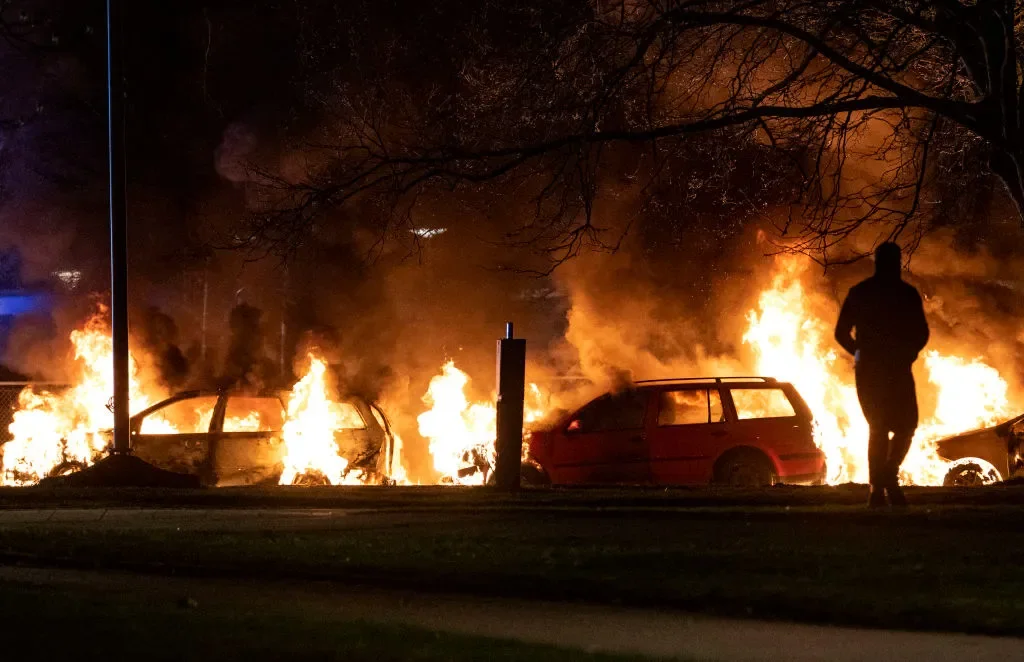
The Economy of Protection in Swedish Gangs
Sweden's gang conflict is often explained through drugs, poverty, or organized crime. This article argues instead that violence is a means of establishing reputation and enforcement capacity in a competitive and fragmented environment.
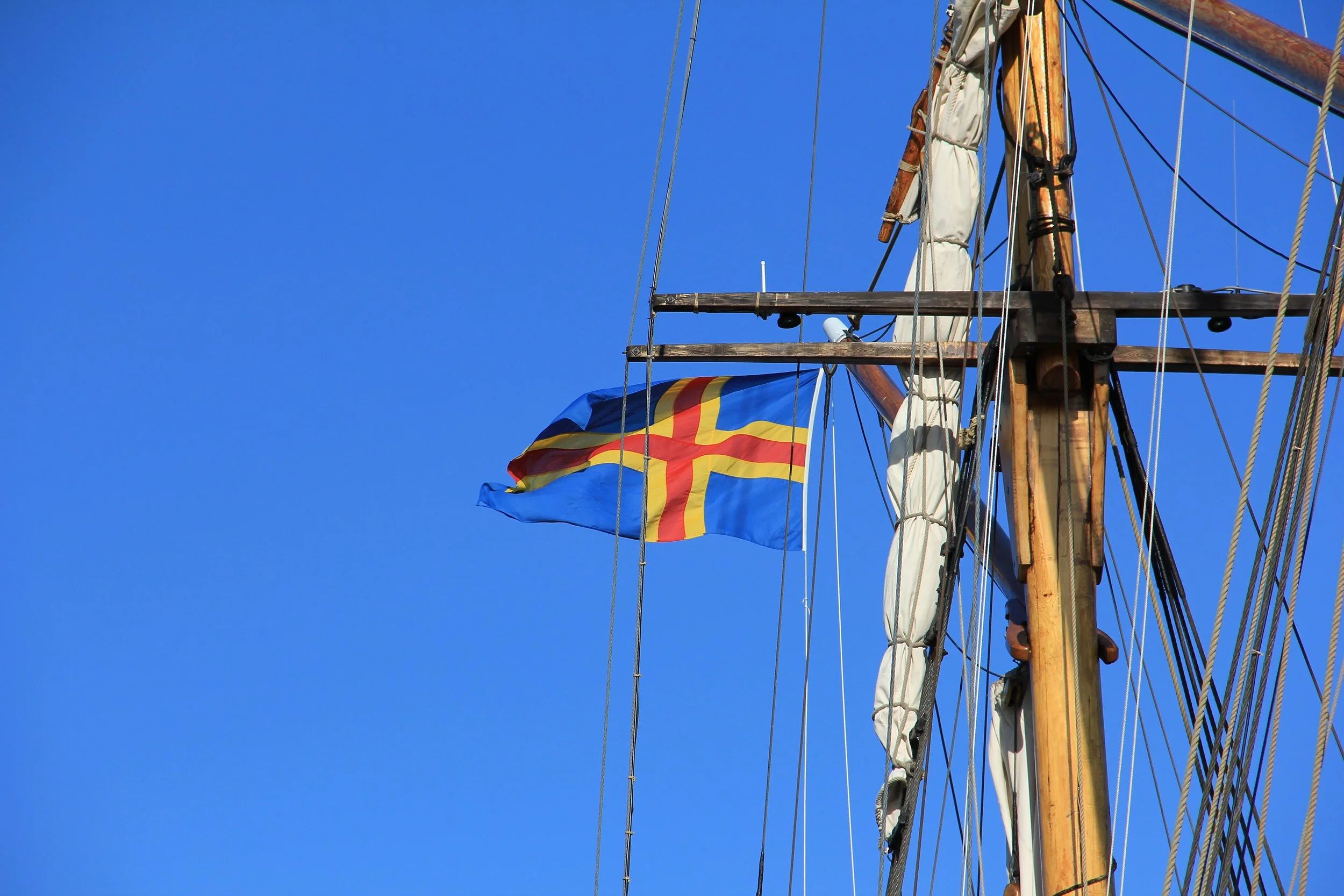
The Åland Question in the age of NATO and Russian threats
The Åland Islands are a demilitarised and autonomous Swedish-speaking archipelago in Finland with a complex history and legal status. It argues that Russia’s renewed assertiveness in the Baltic Sea and NATO expansion may strain this fragile settlement and revive Nordic geopolitical tensions.
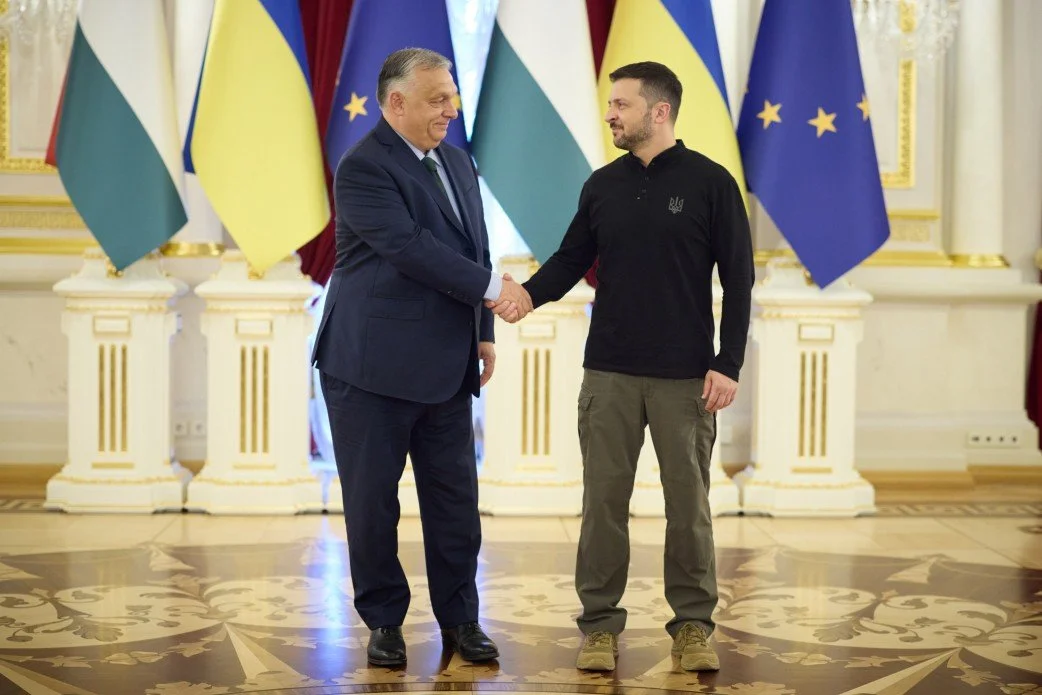
Zelensky and Orbán: The Deteriorating Relationship Between Ukraine and Hungary
Ukraine’s President Volodymyr Zelensky and Hungary’s former Prime Minister Viktor Orbán always had a rocky relationship, intensified by Russia’s 2022 invasion of Ukraine. Both were accused of antagonizing the other through their energy policies, alliances, and even their election campaigns.
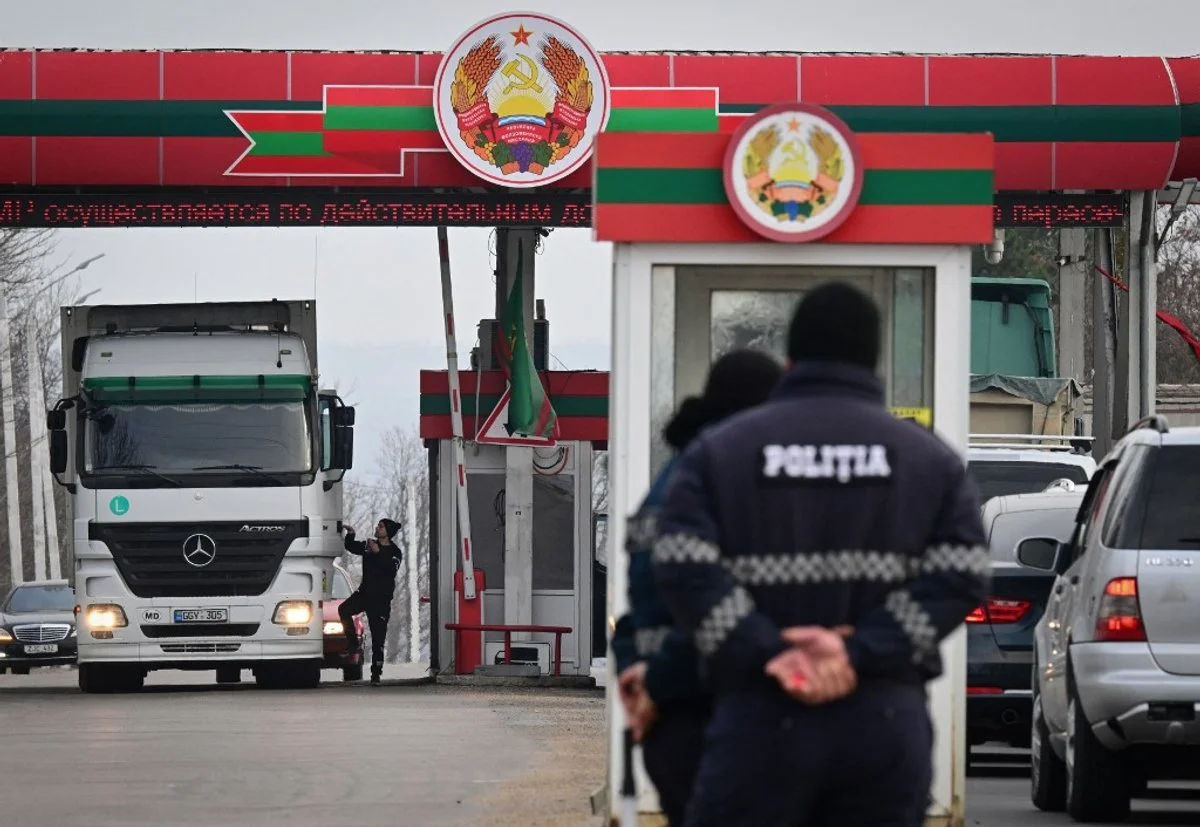
Understanding the 2025 Moldovan Energy Crisis: the Need for Diversification in an Unstable Global Energy Order
In 2025, Russian gas supply to Moldova and its de facto independent region of Transnistria ended. Moldova's prior diversification allowed it to mitigate the crisis, while Transnistria's lack of preparation magnified the crisis.

Defensive Realism, Regional Power Competition, and the Escalation of Houthi Threats in the Red Sea
Defensive realism provides the most analytically sound framework for explaining the rise of the Houthi threat and the strategic environment shaping U.S. policy options. Rooted in the logic of the international system, defensive realism maintains that states, faced with anarchy and uncertainty in the absence of global authority, pursue strategies aimed primarily at securing survival rather than maximizing power.
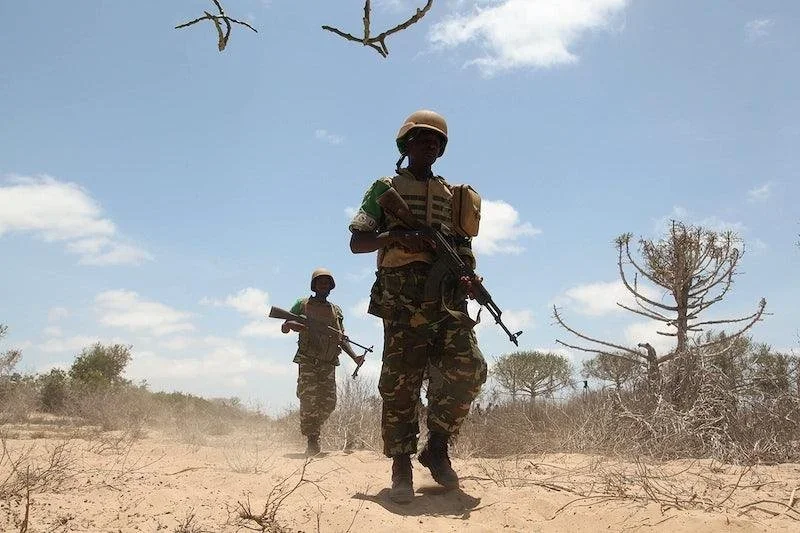
The Development of Islamist Terrorism in the Sahelian region of West Africa since 2010
With the rise of Islamist terror in West Africa increasing and the geopolitical scene on the continent being sensitive to world shocks, this article delves into the origins of the various terrorist actors present in the Sahel. Understanding the impact of a colonial past and politically unstable present on government responses to attacks is important to navigate the realities faced by communities in the region.
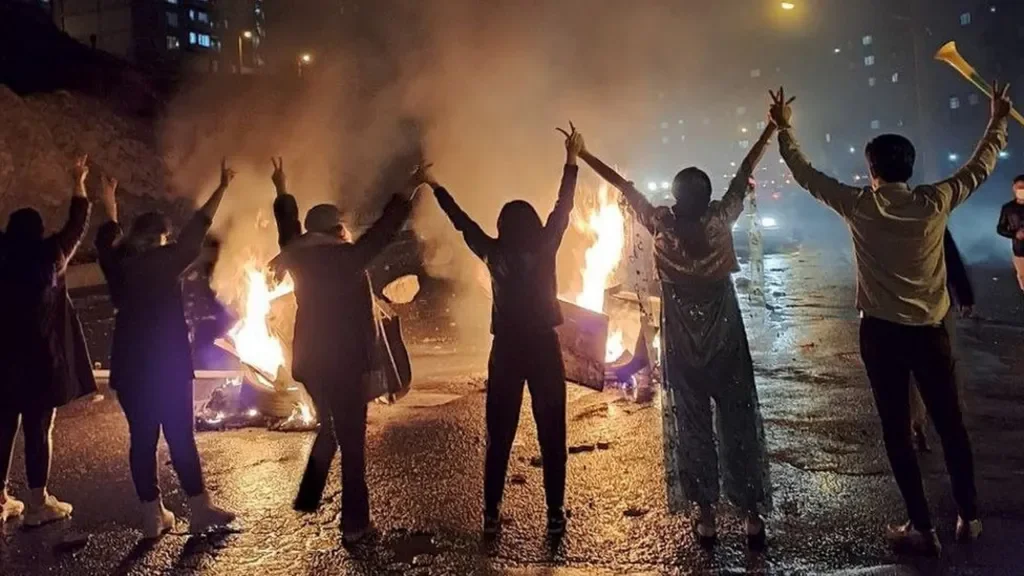
Beyond the Streets: Iran’s Youth and the Transformation of Protest
When crowds took to Iran’s streets to protest against the government in early 2026, the images seemed familiar. The demonstrators across cities, not just Tehran, chanted against political authority, and security forces responded with overwhelming force. But one of the most important stories of the current movement and politics of Iran is not whether the protests are visible. Rather, the more important story is how repeated cycles of protest and repression have transformed how young Iranians think about power, risk and the possibility of change.
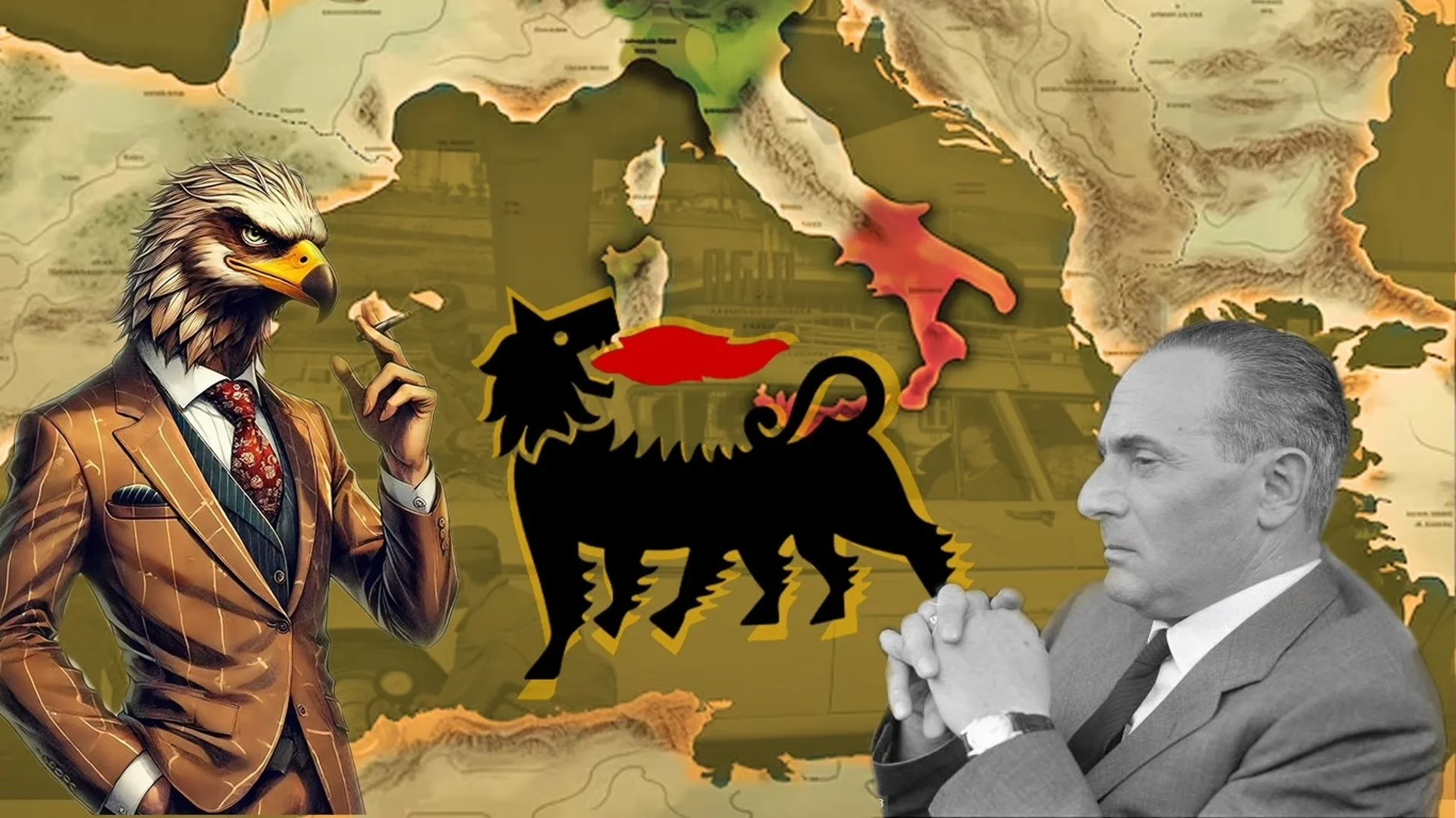
ENI as a Geopolitical Actor: Italy’s Energy Diplomacy in the Mediterranean
Italy has leveraged ENI’s hybrid corporate–state role to reposition itself in Europe’s post-Ukraine energy order, using investments, pipelines, and regional partnerships in North Africa and the Eastern Mediterranean to enhance geopolitical influence and energy security.
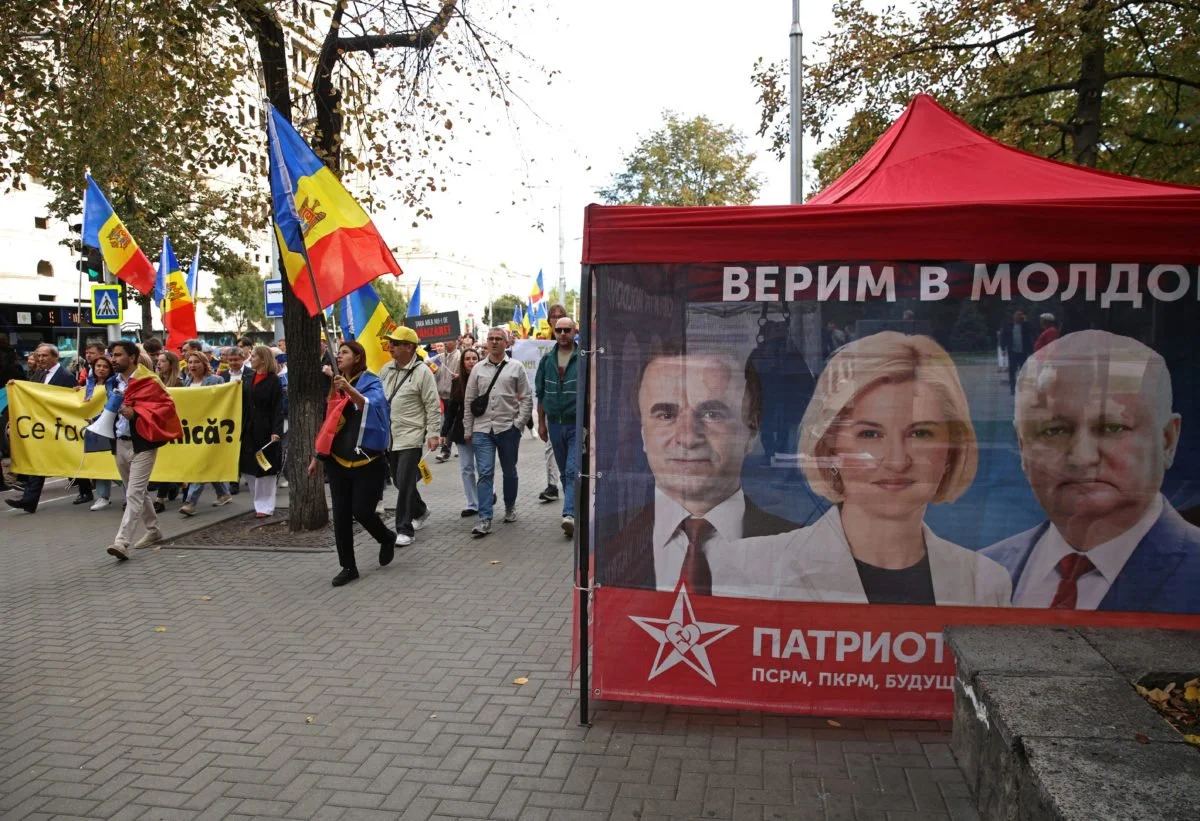
A Deep Dive Into Moldova's Latest Elections
Russia’s long struggle to control Moldova, from imperial annexation to Soviet rule, shaped enduring divisions. In 2025, Moscow deployed political proxies, energy pressure, and disinformation to block European integration, but Moldovan voters decisively backed Maia Sandu’s pro-Western path forward clearly.
Is the EU likely to become a major international actor?
The European Union faces internal and external challenges that threaten its continuity. This article examines these issues and the EU Strategic Agenda’s responses, assessing the Union’s state to explore whether the EU is likely to emerge as a global actor.
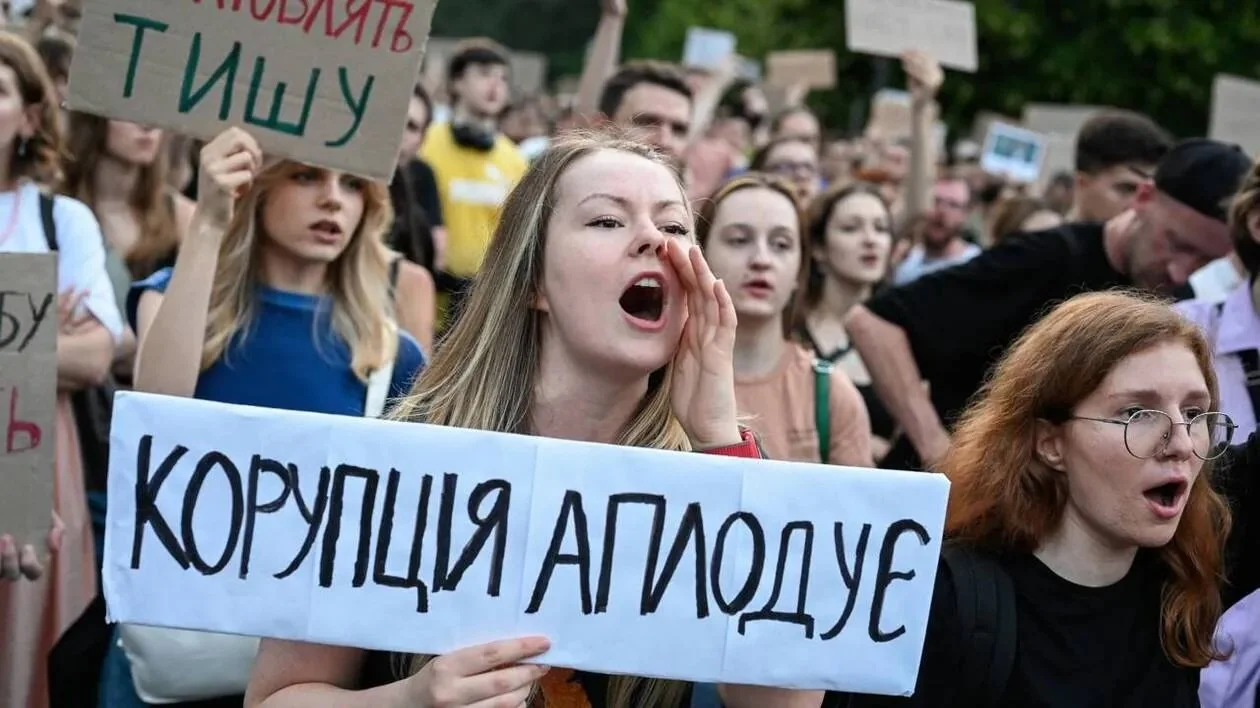
Gender and Political Corruption in Ukraine (1991-2025)
Grand corruption in Ukraine shows gendered patterns: women's lower involvement stems from underrepresentation, portfolio allocation, and differing attitudes toward corruption, while persistent institutional weaknesses remain amid war and reform pressures.
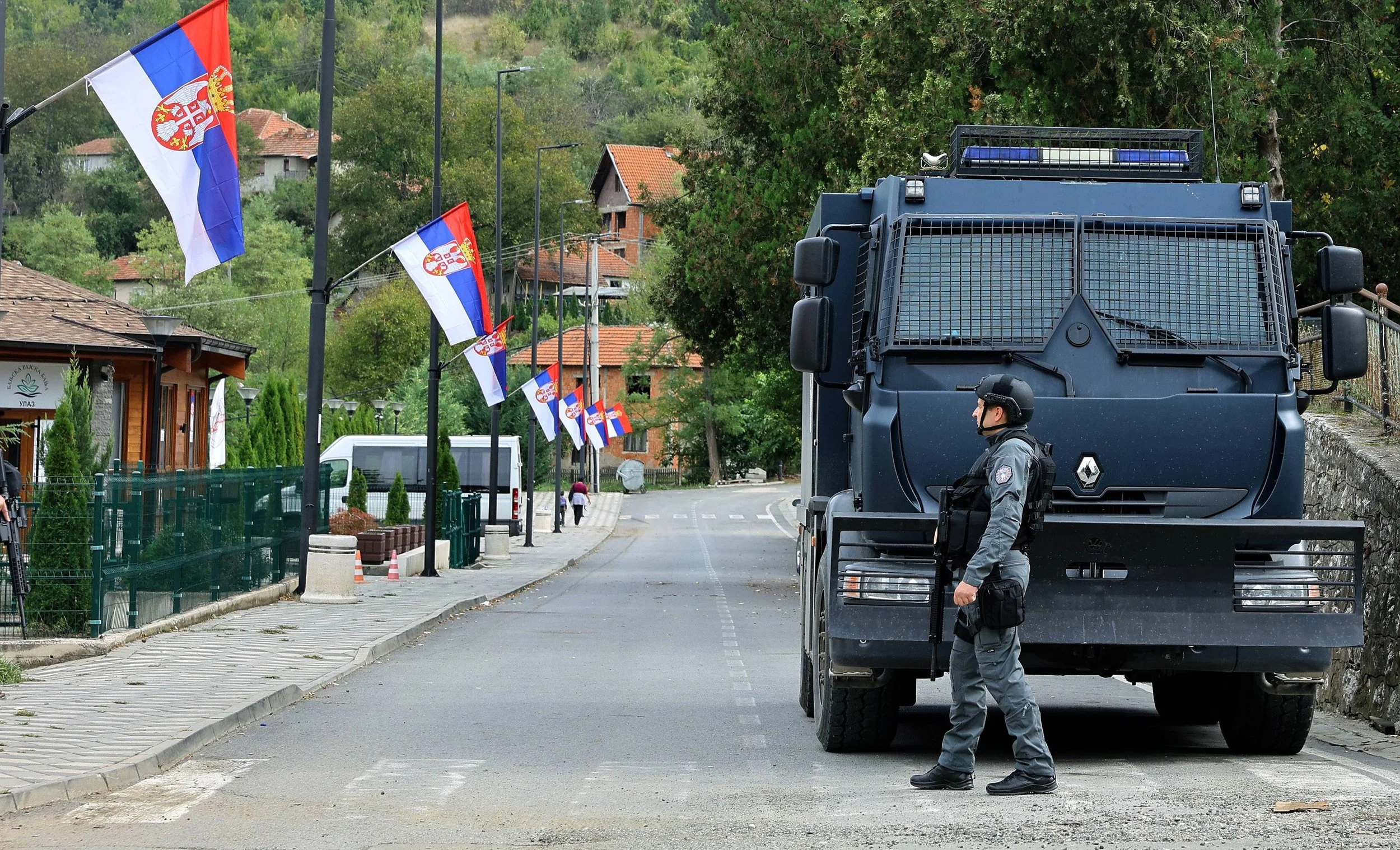
Serbia and Kosovo Twelve Years After the Brussels Agreement
Serbia–Kosovo normalization has stalled since the Brussels Agreement due to unresolved Serb autonomy, sovereignty disputes, and weak EU enforcement, while stronger EU mediation is crucial for Balkan stability and broader international credibility.
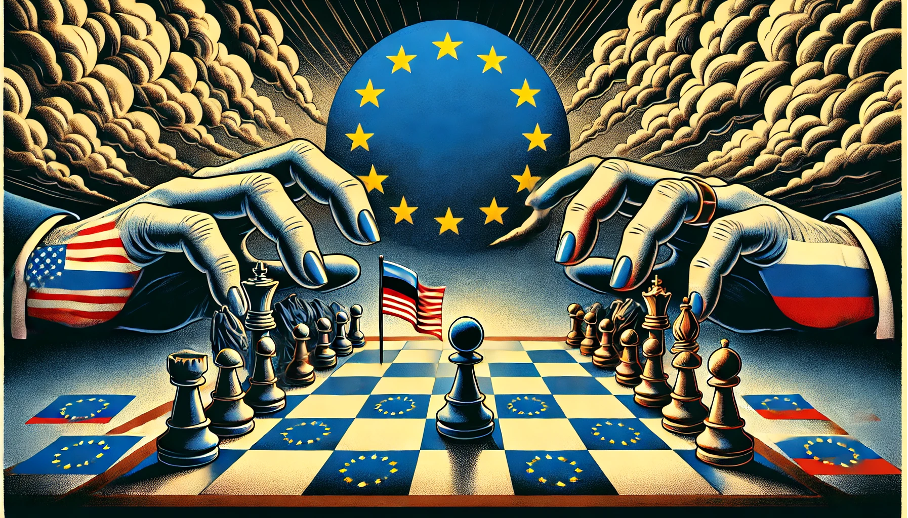
The Fragmentation of Transatlantic Order and the EU’s Internal Vulnerabilities: Corruption, Cohesion and the Future of European Rule-making
Economic redistribution, migration policy, corruption, nationalism, and falling U.S. support are eroding the EU’s unity, leaving it increasingly fragmented and institutionally weakened.
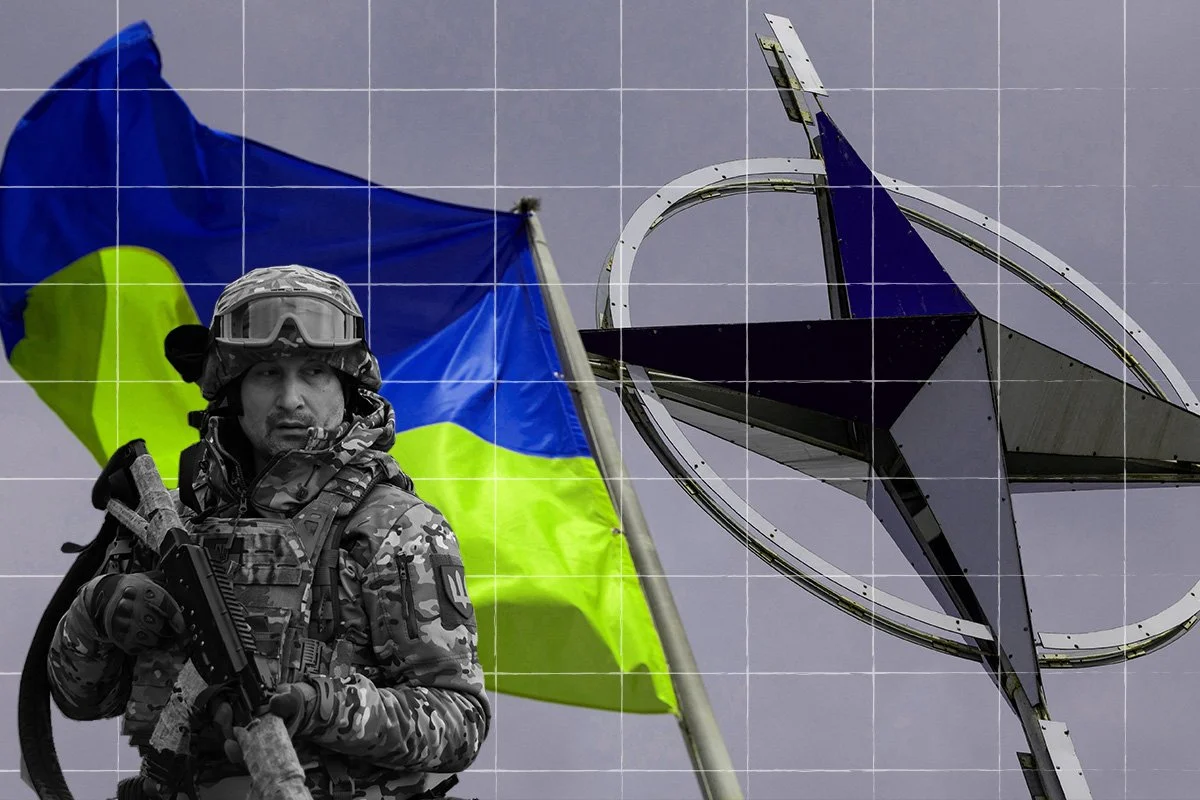
Explaining the Debate of Ukraine’s Prospects for NATO Membership
The article examines Ukraine’s long relationship with NATO, weighing strategic, democratic, and security arguments for and against membership amid war with Russia, assessing barriers, alternatives, and uncertain future prospects for Europe and transatlantic stability overall.