

Onero Research
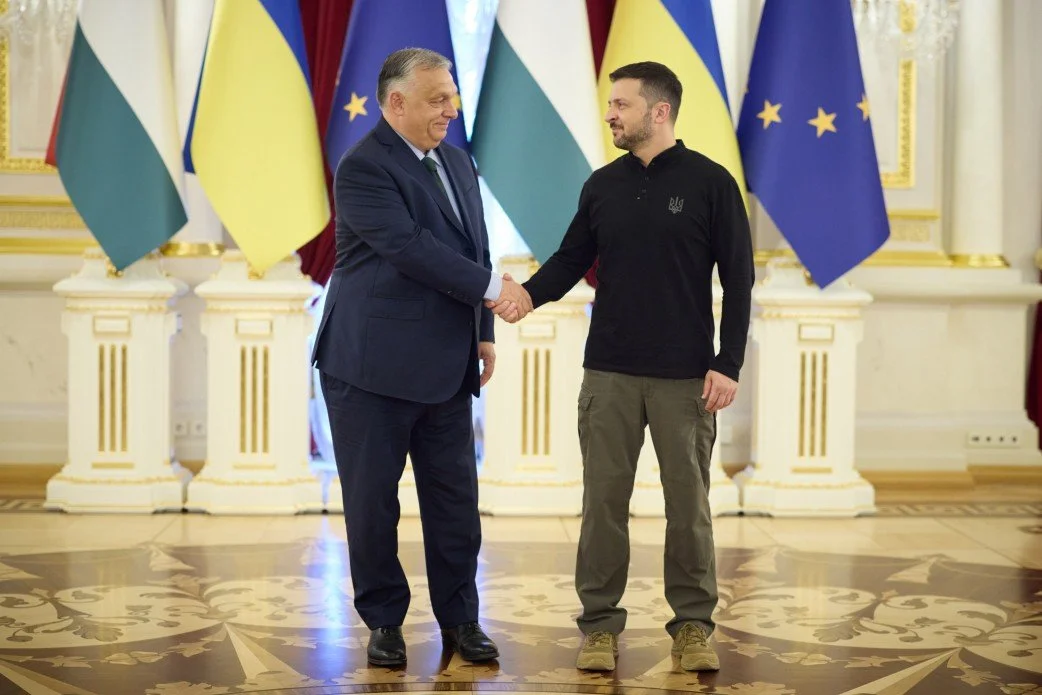
Zelensky and Orbán: The Deteriorating Relationship Between Ukraine and Hungary
Ukraine’s President Volodymyr Zelensky and Hungary’s former Prime Minister Viktor Orbán always had a rocky relationship, intensified by Russia’s 2022 invasion of Ukraine. Both were accused of antagonizing the other through their energy policies, alliances, and even their election campaigns.
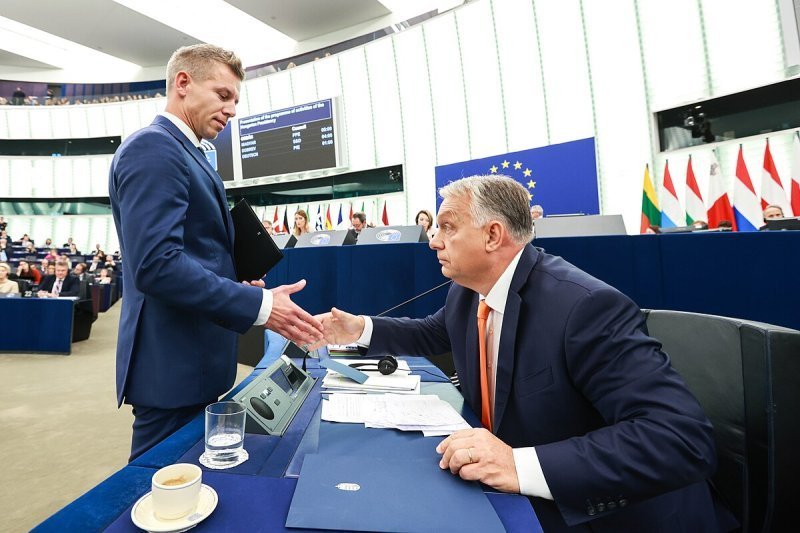
What Comes After Orbán: The Tisza Wave and the Opposition's Dilemma
Péter Magyar's Tisza party has surged to lead Fidesz in polls, the most credible challenge since 2010. Hungary’s unique electoral structure means the traditional opposition could determine whether Tisza can enact its agenda. They must decide whether to withdraw or compete.

Hungary’s Pride Ban: Domestic Concerns and International Intervention
In March 2025, the Hungarian Parliament, led by the illiberal populist Fidesz party, passed by a large majority a bill banning LGBTQ+ assembly, including Pride parades.Though this legislation is not particularly surprising given Prime Minister Viktor Orban’s track record of targeting the LGBTQ+ communityand other minorities, it furthers an alarming agenda and poses significant domestic and international concern.

The Impact of the Lebensborn Program on European Immigration Relations
The Lebensborn Program was a program in Nazi Germany intended to promote the “Aryan race,” encouraging the birth of German blonde blue-eyed babies, while discouraging the birth of other races. The program had tremendous negative consequences, one of which is the lasting impact it has left on European racial relations by glorifying certain ethnicities over others. Many current anti-immigration parties and movements in Europe recently use rhetoric very similar to that of the program, showing yet another lasting effect of the Holocaust.

Hungary’s Nationalist Defiance: Orbán’s EU Struggles and the Shadow of History
Hungary’s nationalist policies under Viktor Orbán have strained EU relations, driven by historical resistance to foreign influence. This article examines Hungary’s ideological defiance, its shifting alliances, and the broader implications of its divergence from European democratic norms.