

Onero Research

How Has Russia Resisted Sanctions? A Strategic Overview
Russia has developed a comprehensive strategy to withstand and adapt to Western sanctions, involving immediate retaliatory actions, state support, and long-term efforts to reduce economic dependence on the West. By reviewing Russia’s sanctions response strategies, this article seeks to provide policymakers with insight into the strategies adversaries employ to counteract the effects of economic statecraft.

The Dissolution of the German Bundestag and the Rise of the Far Right
Germany’s ‘traffic light’ coalition collapsed in November, triggering an upcoming snap election in February. Many fear the rise of the radical AfD, and Germany faces an uncertain future as the election approaches.

Why France Remains Important for India and the EU’s Marginal Impact
Modi's France visit highlights Indo-French strategic ties, shared objectives of autonomy, historical links, and economic ties. France’s acceptance of India’s diverging stance towards Russia reaffirms the importance of bilateral diplomacy over multilateralism.
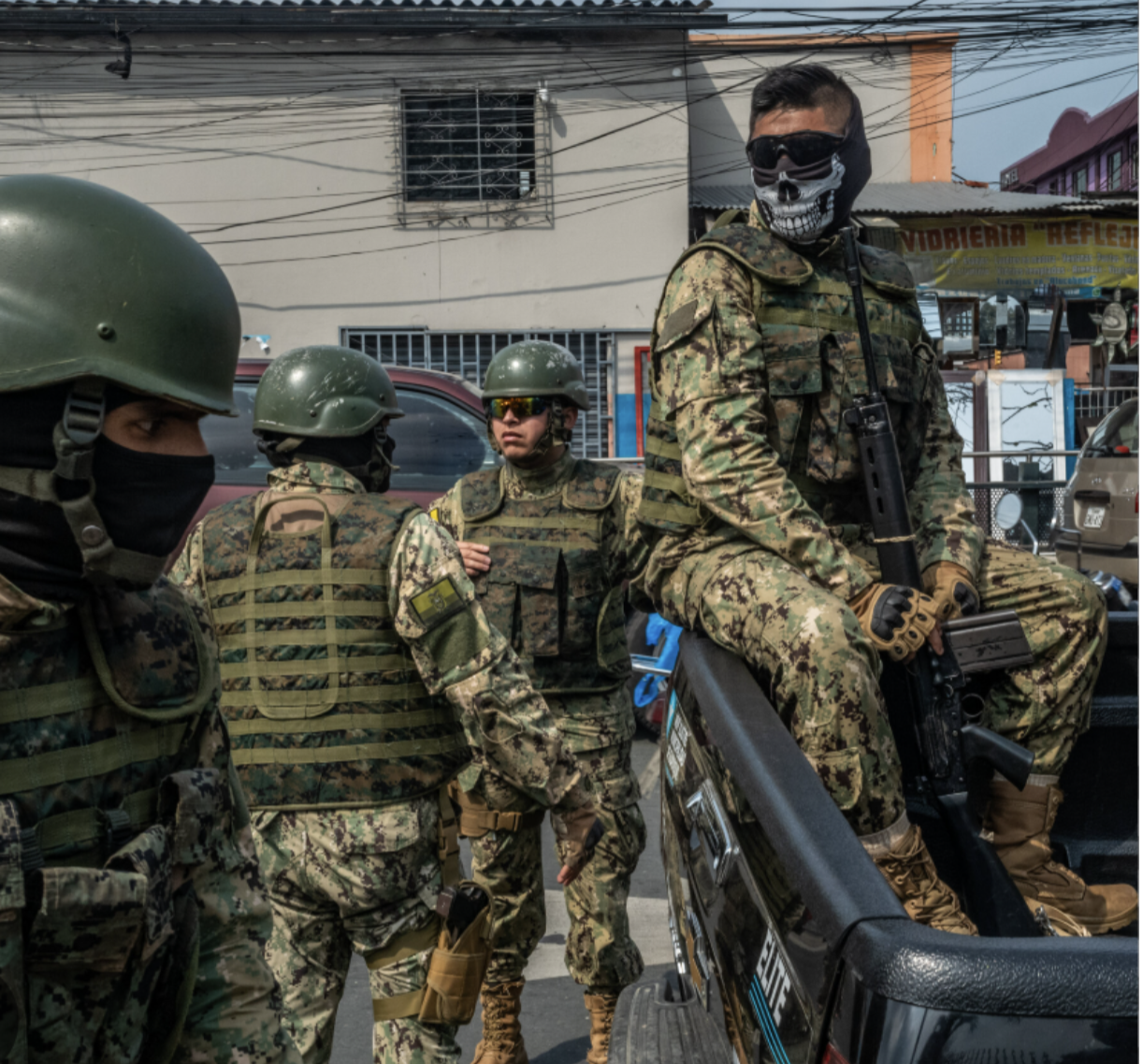
Over A Year Later: Ecuador’s Narco-Trafficking Crisis’ Effect on Democracy
Is President Noboa’s response to Ecuador’s current narco-trafficking crisis threatening Ecuador’s potential to become a model democratic state?

Why the French Far-Right Embraces Secularism (Laïcité)
One of the many things far-right parties across the West have in common is espousing xenophobic rhetoric. However, each far-right party differs based on the local context, such as the differences in religion between France’s and America’s far-right. The American far-right seeks to promote Christianity to protect American culture from immigrants, whereas the French far-right seeks to uphold secularism to preserve French culture.
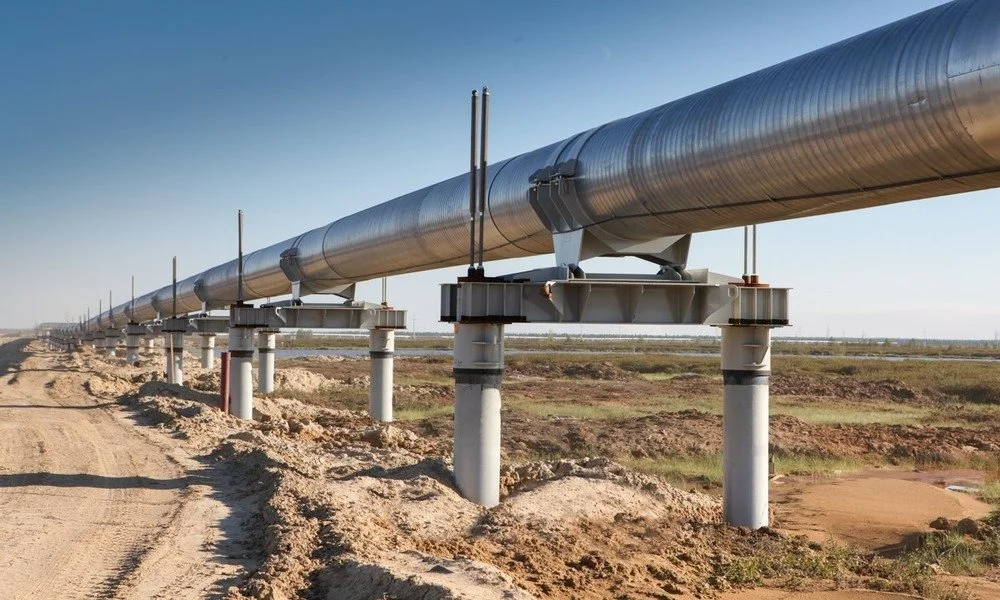
Ukraine’s Gas Pipelines: an Opportunity to Reflect on Europe’s Energy Politics
The expiration of the Russia-Ukraine gas transit deal—which will cut Russian gas flow to Europe by 30%, from an already reduced 35% of 2021 levels—underscores Europe's structural and political challenges in fully eliminating reliance on Russian energy.

Brexit’s Impact on the EU’s Climate Leadership: Net Costs vs. Net Opportunities
Brexit catalyzed the EU's climate policy evolution, fostering stronger internal cohesion and ambitious initiatives like the European Green Deal. Despite challenges like fragmented carbon markets, Brexit ultimately strengthened the EU's global climate leadership and innovation.

The Frozen Fight for The Pindus: The Effect of Physical and Cultural Geography on the Italian Invasion of Greece 1940-1941
Greece’s victory over Italy in the Greco-Italian War (1940-1941) was driven by strategic use of geography, harsh weather, and national unity. Greek forces leveraged rugged terrain, adaptable tactics, and morale to counter Italy’s technological and numerical advantages, demonstrating the critical role of spatiality and logistical disruption in military success.

Countering Putinism: Implications for NATO’s Strategy in Addressing Russia’s Anti-Western Rhetoric
Putinism’s flexible, anti-Western system sustains Russian authoritarianism through contradictory narratives—religious conservatism and Eurasianism—while NATO’s failure to counter these narratives has emboldened Russian aggression. NATO must reject appeasement, delegitimize Putinism, and prioritize Ukraine’s defense to preserve Western security.

Bangladesh – Revolution and Rebirth
The fall of Sheikh Hasina and Bangladesh’s Awami League party is a result of a civilian-led movement that challenged an increasingly authoritarian administration. As the country shifts into a new political era, the question remains “What happens next?”

Reviving an Old Vision, Toward a European Defense Force for EU Autonomy
A European Defense Force is needed to enhance EU autonomy amid geopolitical threats like Russian aggression and terrorism. Coordination challenges, reliance on non-EU suppliers, and diverging national priorities abound. Frameworks like PESCO and EDF can strengthen EU defense, complement NATO, and achieve strategic independence and global influence.

A "GNU" Era of Governance: The 2024 South African Elections
On May 29th, 2024, nearly 16 million South Africans went to the polls and cast their votes in the general election. The results were clear: for the first time in nearly thirty years, the African National Congress (ANC) lost its majority in the National Assembly. With the nation and party facing mounting challenges, including economic hardship, a severe energy crisis, and waning public trust, the ANC was forced to confront a hard reality: it would now have to form a coalition government to remain in power. This election not only reflected deep-seated frustration with the ANC’s governance over the past three decades, but also demonstrated a rising demand for accountability and broader representation in the South African federal government.

French Imperialism weakened in New Caledonia
Long marked by political and economic tensions, New Caledonia has been the scene of violent conflict since May 2024. A conflict that may well open the archipelago to self-determination, while significantly threatening French sovereignty over this territory.

Deployment of North Korean troops in Ukraine: what does it tell us about the new developments of the war?
In October 2024, North Korea sent troops to be trained in Russia with some already deployed in the new theaters of operations in Ukraine. The arrival of North Korean troops in Europe illustrates the continual internationalization of the conflict as well as its new dynamics, announcing a potential large Russian offensive, but also raises questions on what incentivizes Pyongyang to take action in Ukraine.

Shifting Sands: Land Legislation and Imperial Strategy in the Macedonian Dynasty
Shifting Sands: Land Legislation and Imperial Strategy in the Macedonian Dynasty examines how Byzantine emperors like Romanos I and Basil II used land laws as tools for social reform, military stability, and control over elite power, reflecting evolving governance priorities.

Left-Wing Populism in Germany and The Struggle For A Consensus on Russia
A challenge to cohesion for a geopolitical vision across Europe and the west is populism. Left-wing populism is unfamiliar in its origins and topicality for those who seek to understand this issue. In Germany, leftist populism has found sureness and lucidity against the liberal world order to the benefit of Russia.

Africa Must Be Integrated: Why Trade Barriers Keep States Poor
Africa before the era of colonization was a dynamic region with extensive trade routes that connected diverse cultures and economies. When European colonizers arrived, they upended these trade networks, establishing colonial regions whose sole purpose was to export raw materials to Europe for manufacture. These extractive policies rendered African economies woefully underdeveloped when they gained their independence in the mid-20th century. In the 21st century, despite the creation of the African Continental Free Trade Area, tariffs and trade barriers are still stifling growth.

Ten Years Since the Referendum: When Will Scotland Get Another Chance at Independence?
Ten years since the referendum, Scotland still awaits a second chance at independence. The 2016 Brexit decision and subsquent attacks on devolution have increased support for a split from England, but a Labour victory in the recent UK election has signaled that the SNP and independence might have lost some backing - for now.

Cultural Diplomacy and its Impacts for Arms Negotiations Between Russia and the United States
Vladimir Putin and the war in Ukraine have had a detrimental impact on the respect of arms control treaties between Russia and the United States. There is a need for the U.S. to formulate a plan to reinstate these agreements in the aftermath of the Ruso-Ukrainian war and eventual leadership change in Russia. To do so, the United States must evaluate Cold-War era efforts to foster communication.

An Overview of Senegal’s 2024 Presidential Election
Senegal has served as a shining example of a successful West African democracy, as the country is the only West African nation never to suffer a coup d'etat since gaining independence in 1960 and one of the few to have peaceful transitions of power since the early 1990s. However, during this past election cycle, that tradition came dangerously close to being broken by outgoing incumbent President Macky Sall of the Alliance for the Republic Party (APR). How did this happen and how has the new administration fared?