

Onero Research
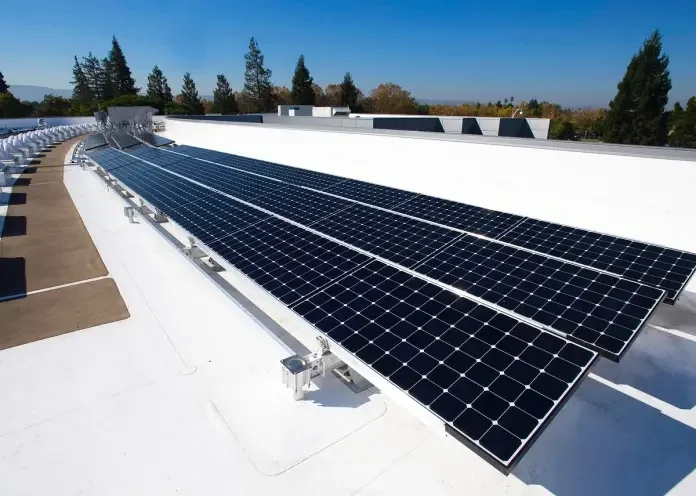
Hydrogen’s Role in Economic Diversification and Market Growth in the Gulf
For decades, the economic prosperity of the Gulf states has been inextricably linked to oil and gas exports. These resources have fueled rapid development, infrastructure expansion, and geopolitical influence. However, as global demand for fossil fuels slows in response to climate change initiatives, net-zero commitments, and carbon pricing mechanisms, the Gulf states must adapt or risk economic stagnation.

The Rise of the Gulf’s Hydrogen Economy: Oman, Saudi Arabia, and the UAE’s Path to Global Leadership
The global energy landscape is undergoing a seismic shift as countries seek cleaner, more sustainable alternatives to fossil fuels. Hydrogen has emerged as one of the most promising solutions, capable of decarbonizing industries, replacing natural gas, and powering the world’s future energy networks. As the global race for hydrogen leadership accelerates, the Gulf states—Oman, Saudi Arabia, and the UAE—are stepping up as major players in this emerging economy.
Federalism in a Unitary Desert: Analyzing the Successes of Federal Political Structure in the United Arab Emirates
For much of its modern history, the Middle East has experienced widespread instability and low-legitimacy governance. However, since its independence in 1971, the United Arab Emirates (UAE) has managed to circumvent many of the obstacles that face other regimes in the region. The Emirati federal system sets the UAE’s government apart from its neighbors and presents an interesting model for federalism in the Middle East. Yet, the UAE benefits from unique circumstances that allow its federalism to act as a stabilizing factor.