Onero Research
Date Published
- April 2026
- March 2026
- January 2026
- December 2025
- November 2025
- August 2025
- July 2025
- June 2025
- May 2025
- April 2025
- March 2025
- February 2025
- January 2025
- December 2024
- November 2024
- October 2024
- September 2024
- August 2024
- July 2024
- June 2024
- March 2024
- February 2024
- October 2023
- March 2023
- February 2023
- January 2023
- November 2022
- October 2022
- January 2022
- November 2021
- October 2021
- August 2021
- July 2021
- March 2021
- September 2020
- August 2020
- July 2020
- February 2020
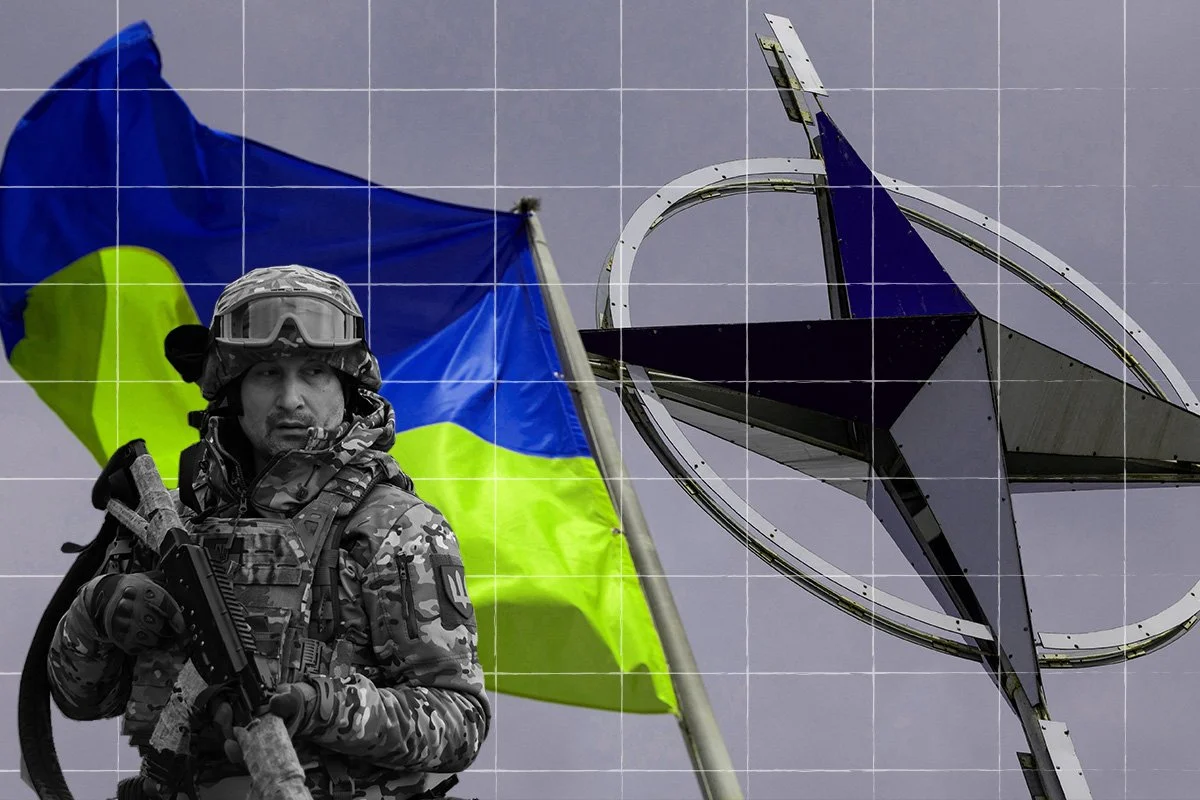
Explaining the Debate of Ukraine’s Prospects for NATO Membership
The article examines Ukraine’s long relationship with NATO, weighing strategic, democratic, and security arguments for and against membership amid war with Russia, assessing barriers, alternatives, and uncertain future prospects for Europe and transatlantic stability overall.

An Examination of the Growing Rivalry Between France and Türkiye
In May 2025, during the European Political Community summit in Tirana, Albania, a video of Turkish President Reçep Tayyip Erdoğan grabbing the French President's finger and refusing to shake his hand went viral on social media. This clash was not the first time such an incident between the two leaders occurred. In 2020, Erdoğan said that Macron needed mental treatment over an argument when the French president defended the country’s policy of laïcité after a teacher got beheaded. The personal tension between Macron and Erdoğan illustrates the growing geopolitical rivalry between Ankara and Paris.

Turkey’s Identity Crisis: The Cyclical Struggle Shaping Its Domestic Instability
For much of the 20th century, Turkey was defined by a precarious duality—straddling Europe and Asia, secularism and Islam, democracy and authoritarianism. Today, however, Turkey is no longer just a bridge between worlds; it is an assertive regional power reshaping the geopolitical landscape. However, beneath this ascent lies a deeper struggle—one not just about power, but identity. As Turkey expands its influence abroad, it remains divided at home, caught between competing visions of its future. Understanding this internal conflict is key to making sense of the forces shaping Turkey today.

What to Make of The European Union’s Outreach to the Indo Pacific
Washington’s increasing attacks on the transatlantic alliance have led to the Europeans to seek partners elsewhere, especially in the Indo-Pacific. These outreach efforts by the EU illustrate its desire to look for alternative partners beyond Beijing, Moscow, and Washington. However, to deepen cooperation, the EU should put more emphasis on its commitment to multilateralism, rather than hyper-focusing on human rights.

The Failure of the European Defense Community: A Discussion Between The Past And Future of European Defense
The European Defense Community (EDC) marked the first attempt to create a common European defense framework. Today, it is more important than ever to understand the failure of the EDC and the consequences it entailed. At the heart of this failure was the ambition of the nation states to make sovereignty prevail over the federal character of the European project.

Countering Putinism: Implications for NATO’s Strategy in Addressing Russia’s Anti-Western Rhetoric
Putinism’s flexible, anti-Western system sustains Russian authoritarianism through contradictory narratives—religious conservatism and Eurasianism—while NATO’s failure to counter these narratives has emboldened Russian aggression. NATO must reject appeasement, delegitimize Putinism, and prioritize Ukraine’s defense to preserve Western security.

Reviving an Old Vision, Toward a European Defense Force for EU Autonomy
A European Defense Force is needed to enhance EU autonomy amid geopolitical threats like Russian aggression and terrorism. Coordination challenges, reliance on non-EU suppliers, and diverging national priorities abound. Frameworks like PESCO and EDF can strengthen EU defense, complement NATO, and achieve strategic independence and global influence.

Cultural Diplomacy and its Impacts for Arms Negotiations Between Russia and the United States
Vladimir Putin and the war in Ukraine have had a detrimental impact on the respect of arms control treaties between Russia and the United States. There is a need for the U.S. to formulate a plan to reinstate these agreements in the aftermath of the Ruso-Ukrainian war and eventual leadership change in Russia. To do so, the United States must evaluate Cold-War era efforts to foster communication.

1939 to 2022: Why the West Rebuked Appeasement to Save Ukraine
In 1938, Nazi Germany annexed Austria, and France and the UK pursued appeasement, sacrificing Czechoslovakia. Despite these efforts, war erupted in 1939. The failure of appeasement still echoes in the collective memory of Western diplomacy.
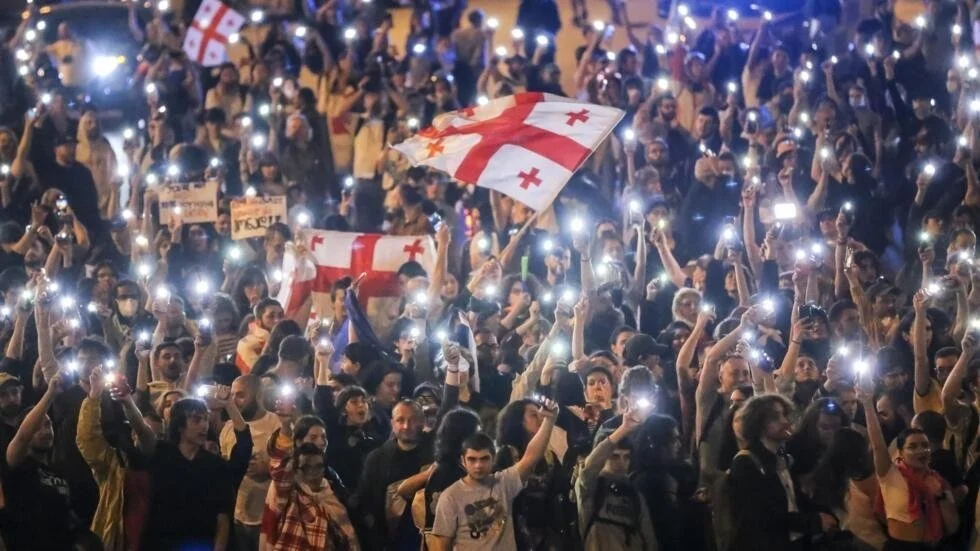
Georgia’s Foreign Agents Law: a Brief History of NGOs in the country
By passing the Foreign Agent Law, Georgia is not choosing to become a pro-Russia satellite nor is it choosing to abandon its aspiration of becoming a EU and NATO member. Georgia is choosing its sovereignty and its stability.
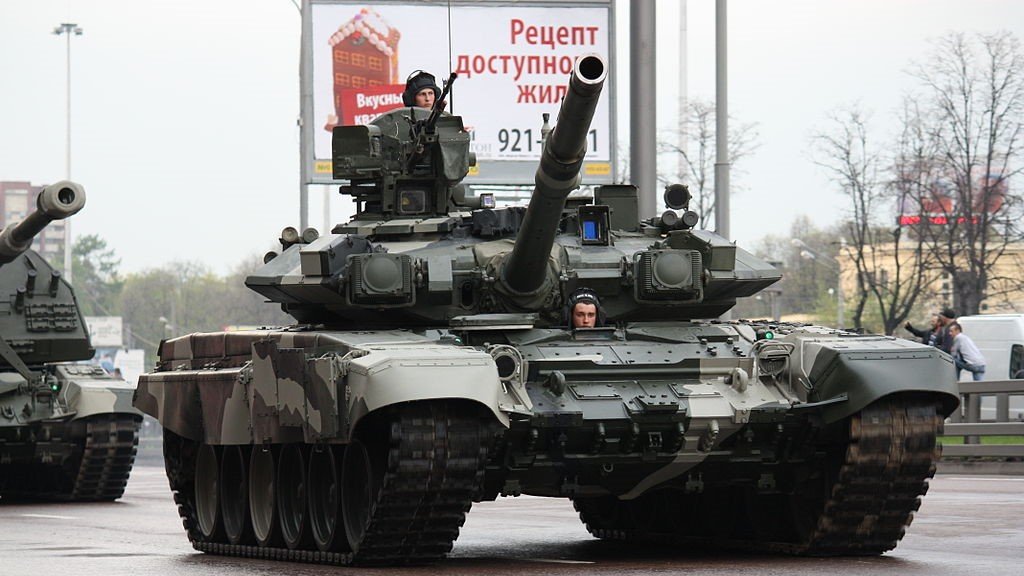
Russia: Estonia’s Biggest Security Threat
Russia is Estonia’s greatest security threat to Estonia, as driven by its geographical proximity, societal integration challenges with Estonia’s Russian minority, and rising cyber threats.

The Future of European Security: Strategic Autonomy
As Europe looks to take more responsibility for its defense and security, talk of “strategic autonomy” has resurfaced and given rise to a great deal of controversy. How realistic is this foreign policy ambition? This article addresses its surrounding misconceptions, necessity, and feasibility in light of challenges and existing capabilities.
The Onero Institute is a non-profit 501(c)(3) youth-led organization dependent entirely on generous donations from people like you.
Consider Donating Today.