
Russia’s Indoctrination of Ukrainian Children Amidst War
By Olivia Tobolski
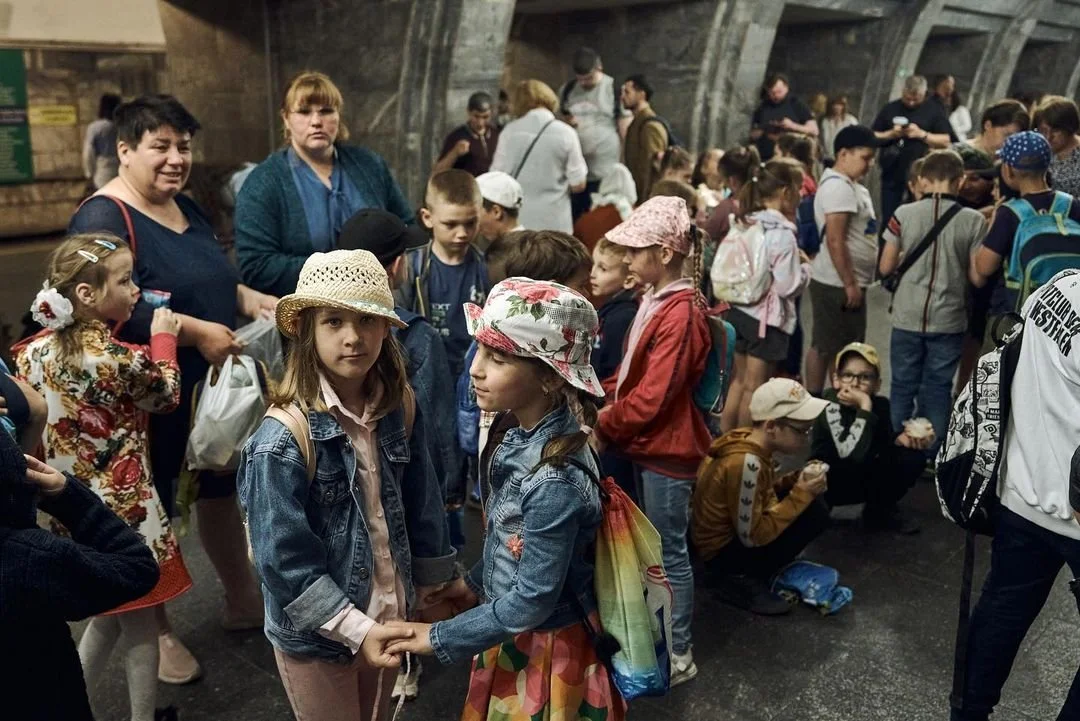
Over 19,000 Ukrainian children have been confirmed as abducted by the Ukrainian government, but the real number could be much higher. Credit: Razom for Ukraine
Headlines are filled with day-to-day updates on Putin and Zelensky and the Russo-Ukrainian War. The conflict is used as a bargaining chip in US politics, with President Trump aiming to play both sides to little avail. The military strategies, advantages and consequences of US interference, and history’s role in the invasion have been discussed over and over and will continue to do so, perhaps long after the war is finished. What has been discussed significantly less is the role of Ukraine’s children in the conflict. The war has been extremely destructive, leading to mass displacement and orphaning many.
Ukraine has alleged that Russia has been abducting Ukrainian children, often orphans, those in poverty, or those with military parents, since its invasion in 2022, with a confirmed number of 19,546, but an estimate in the 6-figures. Identification of these children has been hindered by continued warfare, fear of Russia’s weaponization of this information, and Russia’s refusal to release any information about this forced deportation and adoption, which violates international law. This lack of information of the whereabouts, conditions, or even names of the victims has raised questions about even the possibility of repatriating these children. The International Criminal Court has condemned Russia’s actions, indicting both President Vladimir Putin and Presidential Commissioner of Children’s Rights Maria Lvova-Belova, who are using these abductions to their benefit. The latter especially has promoted a positive image of these illegal adoptions in Russia with propaganda videos of children being welcomed by Russian families or participating in Russian traditions. Russia has argued that rehoming Ukrainian children with families in Russia is for the protection of these kids, but has also dodged other inquiries into this process.
Reports of the children’s treatment in Russia or otherwise occupied territory have been harrowing. Just over 1,000 children have been successfully returned to Ukraine, with many being described as haunted and traumatized. In many cases, these kids are trained in military skills and pro-Russia ideology aimed at erasing their Ukrainian identity. This training is part of Russia’s “Youth Army” or Yunarmiya, which was started in 2016 to boost enlistment and public opinion of efforts to reclaim Ukraine. Many outside of Russia believe that the goal of this movement is to ultimately have Ukrainian children fighting in the Russian army against their own country, which would once again be a violation of human rights law. The Russian army has in fact done similar things in the past, having forcibly enlisted several Ukrainian men since 2022.
Besides indoctrination and combat training, the children who have since been rescued from these rehabilitation camps have described the violence and deplorable conditions they were subjected to. Children behind enemy lines are constantly monitored, threatened, and physically punished if they disobey. The teachers and army officials running these facilities have been said to use coercion and trickery to get kids to come with them and do what they want, even lying to the children that their parents have signed away custody to Russia. If they are lucky enough to be close enough to Ukrainian-occupied territory and are liberated by their country’s forces, these children often find it difficult to locate their families and loved ones.
With Donald Trump becoming President in the United States, Russia has started to use these children as a tool in foreign affairs. First Lady Melania Trump spoke on this issue, promising that she has been working closely with Putin to return the Ukrainians to their families, to which Kremlin official and CEO of Russian Direct Investment Fund Kirill Dmitriev responded positively on social media on October 10th. Such approval and support from a high ranking member of the Russian government demonstrates a collaboration between the US and Russia, despite global backlash. The US’s EU allies, both center-left and center-right, have criticized the United States and the Trump Administration for their lenient treatment of Russia. Russia-US relations have still been tense, as Russia accused the US of anti-Russian behavior with the US Senate’s passage of the Abducted Ukrainian Children Recovery and Accountability Act, also on October 10th.
For now, the situation that many of Ukraine’s children are in remains dire. Much of the necessary information to protect and return these kids is still unknown and may remain so if more global initiative is not taken. A major target of this war has been Ukraine’s national identity, culture, and traditions, and these children are a major part of preserving Ukrainian heritage and custom.